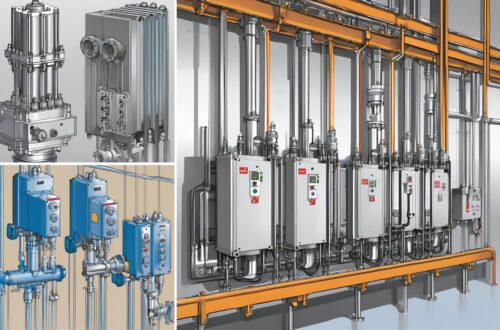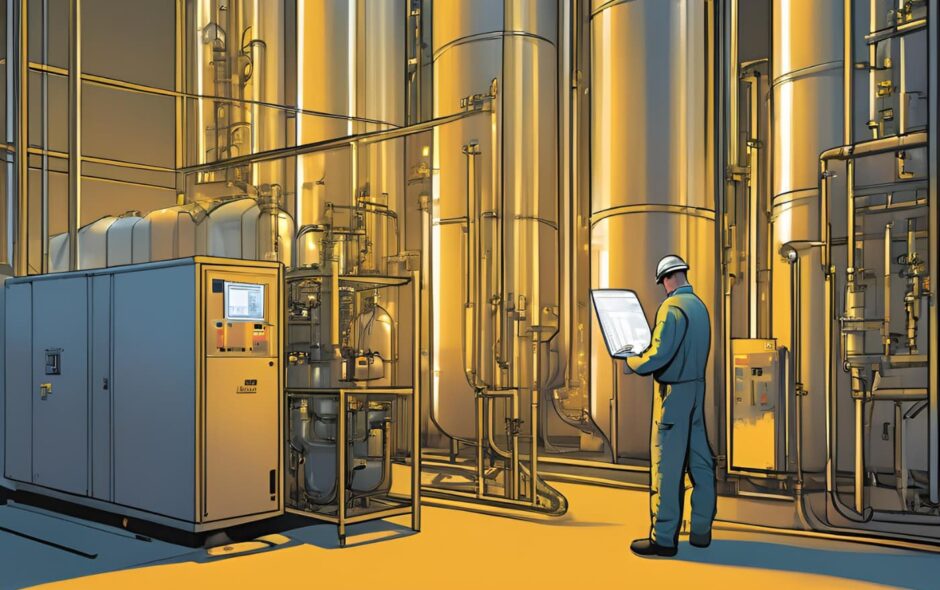
In various industries, from food packaging to pharmaceuticals and electronics manufacturing, nitrogen gas plays a critical role in preserving product quality, enhancing safety, and optimizing processes. A reliable source of nitrogen is essential, and businesses often face the choice between purchasing nitrogen in cylinders or generating it on-site with a nitrogen gas generation system. This article explores the key considerations when deciding between packaged and custom nitrogen gas generation systems, helping you determine the best solution for your specific needs.
Understanding Nitrogen Gas Generation
Nitrogen gas generation systems utilize technology to separate nitrogen from other components in the air, producing a high-purity nitrogen stream for various applications. These systems offer a cost-effective and convenient alternative to relying on delivered nitrogen cylinders, eliminating the logistical challenges and potential hazards associated with storing and handling high-pressure cylinders.
Packaged Nitrogen Gas Generation Systems
Packaged nitrogen gas generation systems are pre-assembled, self-contained units designed to provide a specific flow rate and purity of nitrogen gas. These systems are typically “plug-and-play,” requiring minimal installation and setup.
Advantages of Packaged Systems
- Ease of Installation: Packaged systems arrive pre-configured, simplifying installation and reducing downtime.
- Compact Footprint: These systems are designed to minimize space requirements, making them suitable for facilities with limited space.
- Cost-Effective for Standard Applications: Packaged systems offer a cost-effective solution for common nitrogen gas applications with standard flow and purity requirements.
- Faster Delivery: Lead times for packaged systems are generally shorter than for custom systems, allowing for quicker implementation.
Limitations of Packaged Systems
- Limited Flexibility: Packaged systems are designed for specific flow rates and purity levels, offering limited flexibility for future expansion or changing needs.
- May Not Optimize Energy Efficiency: While efficient, packaged systems may not be optimized for the specific energy requirements of your facility, potentially leading to higher operating costs.
Custom Nitrogen Gas Generation Systems
Custom nitrogen gas generation systems are engineered to meet the unique requirements of a specific application. These systems are designed from the ground up, considering factors like flow rate, purity, pressure, and energy efficiency.
Advantages of Custom Systems
- Tailored to Specific Needs: Custom systems are designed to precisely match your flow rate, purity, and pressure requirements, ensuring optimal performance for your application.
- Optimized Energy Efficiency: Custom systems can be designed to minimize energy consumption, incorporating energy-saving features like variable speed drive compressors and heat recovery systems.
- Scalability for Future Growth: Custom systems can be designed to accommodate future expansion or changing needs, providing long-term flexibility.
- Integration with Existing Infrastructure: Custom systems can be seamlessly integrated with your existing air compressor system design and infrastructure, optimizing overall efficiency.
Limitations of Custom Systems
- Higher Initial Cost: Custom systems typically have a higher upfront cost compared to packaged systems due to the engineering and customization involved.
- Longer Lead Times: Designing and building a custom system takes time, resulting in longer lead times compared to packaged systems.
Key Considerations When Choosing a System
Choosing between a packaged and custom nitrogen gas generation system requires careful evaluation of several factors:
- Nitrogen Demand: Determine your current and future nitrogen gas requirements, considering factors like flow rate, purity, and pressure.
- Application Requirements: Consider the specific needs of your application. Some applications may require higher purity levels or specific pressure ranges.
- Budget: Evaluate your budget constraints and compare the upfront costs and long-term operating costs of both options.
- Space Availability: Assess the available space in your facility and consider the footprint of each system.
- Energy Efficiency: Factor in the energy consumption of each system and consider the potential for energy savings with custom solutions.
- Maintenance Requirements: Understand the maintenance needs of each system and factor in the associated costs and downtime.
Making the Informed Decision
To make an informed decision, it’s often helpful to consult with experienced nitrogen gas generation specialists. They can assess your specific needs, provide expert guidance, and help you determine the most suitable solution for your application.
Nitrogen Gas Generation Technologies
Nitrogen gas generation systems utilize various technologies to separate nitrogen from the air. Two common technologies are:
- Pressure Swing Adsorption (PSA): PSA systems use a special adsorbent material to selectively adsorb oxygen, allowing nitrogen to pass through. These systems are known for producing high-purity nitrogen.
- Membrane Technology: Membrane systems use hollow fiber membranes to separate nitrogen from other gases based on their molecular size. These systems are generally more compact and require less maintenance than PSA systems.
The choice of technology depends on factors like purity requirements, flow rate, and energy efficiency considerations.
Applications of Nitrogen Gas Generation
Nitrogen gas generation finds applications across a wide range of industries:
- Food Packaging: Nitrogen flushing and packaging help preserve food freshness, prevent spoilage, and extend shelf life.
- Pharmaceuticals: Nitrogen is used in pharmaceutical manufacturing for blanketing, purging, and packaging to maintain product quality and prevent oxidation.
- Electronics Manufacturing: Nitrogen is used in electronics manufacturing to create an inert atmosphere for soldering and other processes, preventing oxidation and ensuring product reliability.
- Chemical Processing: Nitrogen is used in various chemical processes for blanketing, purging, and inerting to enhance safety and prevent reactions with oxygen.
- Laser Cutting: Nitrogen is used as an assist gas in laser cutting to improve cut quality and prevent oxidation.
Benefits of On-Site Nitrogen Gas Generation
Compared to relying on delivered nitrogen cylinders, on-site nitrogen gas generation offers several advantages:
- Cost Savings: Generating nitrogen on-site can significantly reduce costs compared to purchasing cylinders, especially for high-volume users.
- Convenience and Reliability: On-site generation eliminates the logistical challenges and potential delays associated with cylinder deliveries, ensuring a continuous and reliable supply of nitrogen.
- Safety: On-site generation reduces the safety hazards associated with storing and handling high-pressure cylinders.
- Environmental Benefits: On-site generation reduces transportation needs and associated emissions, contributing to a smaller environmental footprint.
The Future of Nitrogen Gas Generation
As industries continue to seek greater efficiency, sustainability, and cost-effectiveness, the adoption of on-site nitrogen gas generation is expected to grow. Advancements in technology, such as improved membrane materials and energy-efficient compressors, will further enhance the performance and benefits of these systems.
Conclusion
Choosing the right nitrogen gas generation system is a crucial decision for businesses that rely on nitrogen gas for their operations. By carefully evaluating your needs, considering the advantages and limitations of packaged and custom systems, and consulting with experienced professionals, you can make an informed choice that optimizes your nitrogen supply, enhances efficiency, and supports your long-term business goals. Remember, a well-designed system, whether packaged or custom, can be a valuable asset, contributing to cost savings, improved safety, and reduced environmental impact.