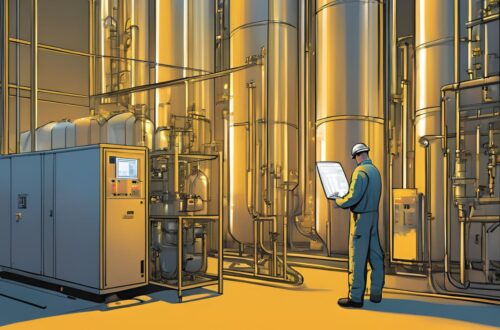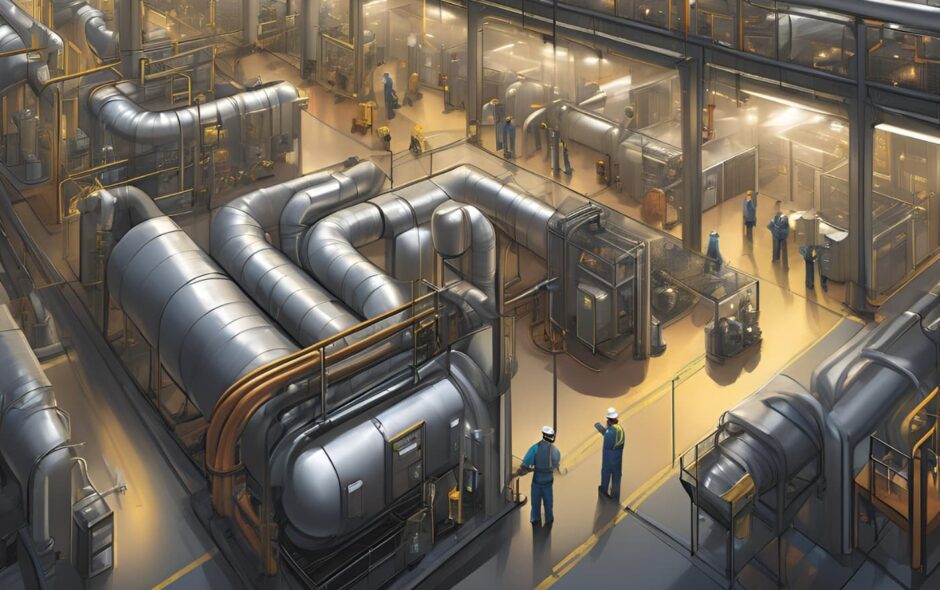
In today’s competitive industrial landscape, optimizing operational efficiency is paramount. A crucial aspect often overlooked is air systems design. A well-designed air system, whether for ventilation, pneumatic tools, or process control, can significantly impact energy consumption, productivity, and workplace safety. This article delves into the fundamentals of air systems design, exploring key considerations and best practices for creating efficient airflow in industrial settings.
Understanding the Importance of Air Systems Design
Effective air systems design is more than just moving air around; it’s about achieving specific objectives while minimizing energy waste and maximizing performance. A properly designed system considers factors like airflow patterns, pressure requirements, filtration needs, and environmental regulations to create a controlled and optimized environment. This translates to:
- Improved Energy Efficiency: By minimizing pressure drops, optimizing ductwork layouts, and utilizing efficient components, a well-designed system can significantly reduce energy consumption and operating costs.
- Enhanced Productivity: Proper ventilation, temperature control, and air quality contribute to a comfortable and productive work environment, leading to increased worker efficiency and reduced downtime.
- Increased Equipment Lifespan: Clean, dry air protects pneumatic equipment and machinery from premature wear and tear, extending their lifespan and reducing maintenance costs.
- Improved Safety: Effective ventilation systems remove harmful fumes, dust, and contaminants, ensuring a safe and healthy work environment for employees.
Key Components of an Industrial Air System
An industrial air system typically comprises several interconnected components:
- Air Intake: This is where fresh air is drawn into the system. Proper filtration at the intake is crucial to remove dust, debris, and other contaminants.
- Compressor: The compressor is the heart of the system, responsible for generating compressed air. Selecting the right compressor type and size is crucial for meeting the specific demands of the application.
- Air Treatment: This stage involves removing moisture, oil, and other impurities from the compressed air to ensure clean, dry air for downstream processes.
- Distribution Network: The distribution network consists of pipes, hoses, and fittings that transport the compressed air to various points of use. Proper sizing and layout of the distribution network are essential for maintaining consistent pressure and minimizing energy losses.
- Control System: The control system regulates pressure, flow rate, and other parameters to ensure the system operates efficiently and meets the specific requirements of the application.
Types of Industrial Air Systems
Industrial air systems can be broadly categorized based on their primary function:
- Ventilation Systems: These systems focus on providing fresh air, removing stale air, and maintaining comfortable temperatures and humidity levels within the workspace.
- Pneumatic Systems: These systems utilize compressed air to power tools, machinery, and automation equipment.
- Process Air Systems: These systems provide clean, dry air for specific industrial processes, such as drying, cleaning, or material handling.
Design Considerations for Efficient Airflow
Achieving efficient airflow requires careful consideration of several factors:
- Airflow Requirements: Determine the required airflow rate and pressure for each application. This involves calculating the air demand for pneumatic tools, ventilation needs, and process requirements.
- Ductwork Design: Optimize the layout and sizing of ductwork to minimize pressure drops and ensure even air distribution. Consider factors like duct material, shape, and insulation to maximize efficiency.
- Air Filtration: Select appropriate filters to remove contaminants and ensure clean air for the application. Consider factors like particle size, filter efficiency, and maintenance requirements.
- Air Quality: Monitor and maintain air quality within the workspace to ensure compliance with health and safety regulations. This may involve implementing air quality sensors, ventilation controls, and regular maintenance procedures.
Optimizing Compressed Air Systems
Compressed air systems are often a significant source of energy consumption in industrial facilities. Optimizing these systems can lead to substantial cost savings and environmental benefits. Here are some key strategies:
- Leak Detection and Repair: Compressed air leaks can be a major source of energy waste. Implement a regular leak detection program and repair leaks promptly.
- Pressure Optimization: Operate the compressor at the lowest pressure required for the application. Reducing the operating pressure can significantly reduce energy consumption.
- Demand-Side Management: Implement strategies to reduce compressed air demand, such as using alternative technologies where possible or optimizing equipment for air efficiency.
- Heat Recovery: Capture and utilize the waste heat generated by the compressor for heating water or space heating, further improving overall energy efficiency.
The Role of Technology in Air Systems Design
Modern technology plays a crucial role in optimizing air systems design and operation.
- Computational Fluid Dynamics (CFD): CFD modeling allows engineers to simulate airflow patterns and optimize ductwork design for maximum efficiency.
- Building Management Systems (BMS): BMS integrates various systems, including HVAC, lighting, and security, to provide centralized control and monitoring, optimizing energy consumption and building performance.
- Data Analytics: Analyzing data from sensors and monitoring systems can identify areas for improvement, optimize system performance, and predict maintenance needs.
Choosing the Right Professionals
Collaborating with experienced professionals is crucial for successful air systems design.
- HVAC Engineers: HVAC engineers specialize in designing and implementing heating, ventilation, and air conditioning systems.
- Compressed Air Specialists: Consult with compressed air specialists to optimize your compressed air system and identify energy-saving opportunities.
- Control System Integrators: Control system integrators can help integrate various components and implement automation strategies to optimize system performance.
Case Study: Implementing Efficient Air Systems in a Manufacturing Facility
To illustrate the practical application of air systems design principles, let’s consider a case study of a manufacturing facility seeking to improve its energy efficiency and reduce operating costs.
The facility implemented several key strategies:
- Upgrading to a Variable Speed Drive Compressor: Replacing their old fixed-speed compressor with a variable-speed drive model allowed them to match compressor output to actual demand, significantly reducing energy consumption.
- Optimizing Ductwork Layout: Redesigning the ductwork layout reduced pressure drops and improved air distribution, further enhancing efficiency.
- Implementing a Leak Detection Program: A comprehensive leak detection program identified and repaired numerous leaks, minimizing wasted compressed air.
These measures resulted in significant energy savings, reduced maintenance costs, and improved productivity for the manufacturing facility.
The Importance of Regular Maintenance
Regular maintenance is essential for ensuring the long-term efficiency and reliability of your air system.
- Filter Replacement: Regularly replace air filters to maintain air quality and prevent pressure drops.
- Component Inspection: Inspect compressors, dryers, and other components for signs of wear and tear. Address any issues promptly to prevent costly breakdowns.
- System Cleaning: Clean ductwork and other components to remove dust and debris, ensuring optimal airflow and preventing contamination.
Conclusion
Effective air systems design is crucial for creating efficient and sustainable industrial environments. By understanding the key principles, optimizing compressed air solutions, and collaborating with experienced professionals, businesses can achieve significant improvements in energy efficiency, productivity, and workplace safety. Regular maintenance and the adoption of modern technologies further enhance system performance and contribute to long-term cost savings.